In today’s fast-paced digital world, marketers are constantly seeking innovative ways to connect with audiences. But as technology evolves, so does its environmental footprint. The shift toward eco-consciousness is no longer optional; it’s a necessity. At crucial magazine, we believe that adopting sustainable digital marketing practices not only helps the planet but also builds trust and long-term value for brands.
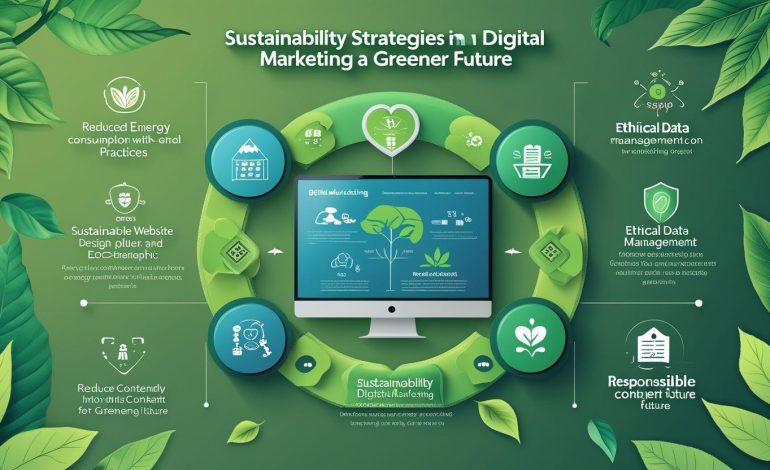
Sustainability in digital marketing involves more than just going paperless. It’s about reducing the carbon impact of online activities, optimizing digital assets for energy efficiency, using ethical data practices, and aligning with values that matter to today’s consumers. Let’s explore how your business can transition into more sustainable digital strategies for a greener future.
Understanding Sustainable Digital Marketing
Sustainable digital marketing refers to the implementation of environmentally responsible and socially ethical practices across all digital marketing efforts. This includes everything from how websites are designed and hosted to how digital content is created, stored, and shared. The aim is to reduce waste, conserve energy, and promote long-term ecological balance while still achieving business objectives.
At its core, this concept also includes fairness, transparency, and accountability. By making sustainability part of your marketing DNA, you’re showing consumers that your brand prioritizes both people and the planet.
The Importance of Sustainable Digital Marketing
The digital marketing industry, often considered low-impact compared to manufacturing or agriculture, actually contributes significantly to global carbon emissions. Data centers, streaming content, and online advertising all consume vast amounts of energy. According to estimates, the internet accounts for nearly 3.7% of global emissions, and it’s rising fast.
By embracing sustainability, companies can reduce their environmental impact, improve brand perception, and attract eco-conscious consumers. Green marketing is not just good ethics—it’s smart business.
Key Strategies for Implementing Sustainable Digital Marketing
Let’s break down some effective strategies to create a more eco-friendly and responsible digital marketing approach.
Energy-Efficient Website Design
Websites consume energy every time a user visits a page. Heavier websites with large images, auto-play videos, and inefficient coding contribute to increased energy consumption.
Tips for a Greener Website:
1.Optimize images and videos to reduce load time.
2.Use green hosting providers powered by renewable energy.
3.Minimize the use of unnecessary plugins and scripts.
4.Use lazy loading for media content.
A faster, lighter website not only helps the environment but also improves user experience and SEO.
Sustainable Content Creation
Content is the heart of digital marketing, but creating and distributing content comes with its own environmental impact.
How to Create Sustainable Content:
1.Focus on evergreen content that provides long-term value.
2.Avoid duplication and content churn.
3.Use low-energy formats (e.g., text over video where applicable).
4.Repurpose content across channels.
Smart content planning ensures your efforts go further with fewer resources.
Ethical Use of Data
Data drives modern marketing, but storing and processing it requires energy—and careless use can breach privacy or ethics.
Ethical Data Practices Include:
1.Collect only the data you need.
2.Use energy-efficient data storage solutions.
3.Be transparent about data use with users.
4.Comply with GDPR and other data protection laws.
Being ethical with data builds trust and reduces unnecessary digital weight.
Sustainable Digital Advertising
Ads, particularly programmatic ads, rely on energy-intensive bidding systems and can cause massive data transfer.
Eco-Friendly Ad Strategies:
1.Target ads precisely to minimize waste.
2.Use formats with smaller file sizes.
3.Avoid auto-play and high-resolution video ads unless essential.
4.Partner with ad networks committed to green practices.
Choosing sustainable platforms and better targeting makes campaigns leaner and greener.
Social Media and Sustainability
Social media platforms are powerful for messaging, but they too consume resources and can promote unsustainable consumerism.
Greener Social Media Practices:
1.Promote sustainable values and practices in your content.
2.Limit unnecessary video usage.
3.Schedule posts during optimal engagement times to reduce algorithm load.
4.Encourage mindful consumption among followers.
Use social media not just to sell, but to inspire sustainable thinking.
The Benefits of Sustainable Digital Marketing
Implementing green strategies isn’t just an environmental win—it delivers real business value:
Improved Brand Reputation: Consumers trust brands that care about the planet.
Cost Savings: Efficient tools and processes reduce energy and operational costs.
Greater Loyalty: Sustainability fosters emotional connections with audiences.
Competitive Advantage: Early adopters stand out in a crowded marketplace.
Compliance and Risk Reduction: Ethical practices future-proof your business.
Sustainability isn’t a trend it’s the foundation for future-proof marketing.
FAQs
What is sustainable digital marketing?
Sustainable digital marketing involves eco-friendly and ethical strategies that reduce environmental impact and promote responsible online engagement.
Why should businesses care about sustainability in digital marketing?
It helps reduce carbon emissions, appeals to conscious consumers, and improves long-term brand trust and loyalty.
How can I make my website more energy-efficient?
Optimize images, choose a green host, minimize scripts, and implement lazy loading to reduce data use and energy consumption.
Is using video content bad for sustainability?
Not necessarily, but excessive or unnecessary video can increase energy use. Use video mindfully and compress files for minimal impact.
How can social media be made more sustainable?
Limit content clutter, avoid overposting, and use platforms to promote sustainable values and causes.
Conclusion
Sustainability in digital marketing is more than just a buzzword; it’s a strategic approach that aligns business success with planetary health. By adopting greener practices in content creation, advertising, data management, and design, your brand becomes part of the solution.
At crucial magazine, we encourage every marketer to think beyond profits and clicks. Let’s build a digital landscape that’s cleaner, fairer, and more future-ready one campaign at a time.